
Geek Shirts and Sustainability: Eco-Friendly Options to Consider
In a world where self-expression and environmental consciousness increasingly intersect, geek shirts have found a new identity. Once seen merely as symbols of fandom or humor, these shirts are now becoming part of a growing movement toward sustainable fashion. From materials and production processes to ethical sourcing and waste reduction, eco-friendly geek shirts are transforming how fans wear their passions. This article explores the rise of sustainable geek fashion and the eco-friendly choices that make a real difference. Geek shirts are going green with innovative materials; learn more in Geek Shirts and Sustainability: Eco-Friendly Options to Consider.
The Evolution of Geek Shirts
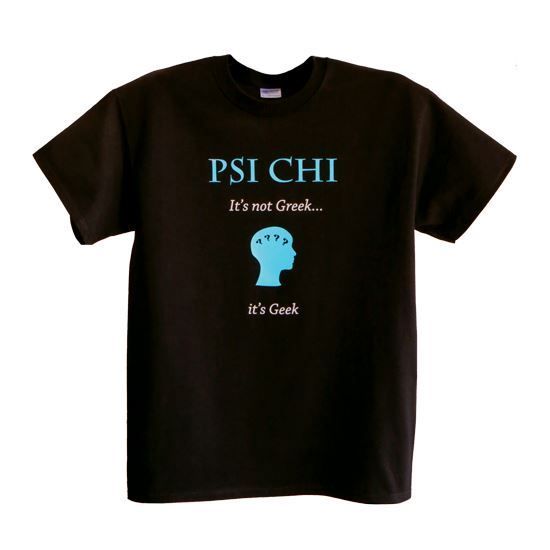
Geek shirts have long been a way for fans of movies, games, science, and technology to showcase their interests. They began as niche collectibles, often tied to conventions or online fandoms, but soon became mainstream fashion statements. Over the years, the designs evolved—from pixelated graphics and clever coding jokes to detailed artwork inspired by popular franchises.
However, as the popularity of geek shirts grew, so did the awareness of their environmental impact. Mass production and fast fashion practices have often led to excessive waste, pollution, and unethical labor conditions. This realization has pushed both consumers and creators toward more responsible production and purchasing habits.
Understanding the Environmental Impact of Traditional Shirt Production
The typical t-shirt, regardless of design, has a larger environmental footprint than most people realize. Traditional cotton farming consumes massive amounts of water and relies heavily on pesticides. Synthetic materials like polyester, while durable, are derived from petroleum and release microplastics during washing.
The dyeing and printing processes also contribute to pollution, often releasing toxic chemicals into waterways. For geek shirts—frequently printed in limited runs or novelty batches—the combination of energy-intensive production and short-lived use can exacerbate waste. Recognizing this impact is the first step toward making better, more sustainable choices.
Embracing Organic Cotton
One of the simplest yet most effective shifts in sustainable apparel is the move toward organic cotton. Unlike conventional cotton, organic cotton is grown without synthetic pesticides or fertilizers, making it gentler on the soil and safer for farmers. It also uses significantly less water.
For geek shirt enthusiasts, organic cotton options provide the same comfort and breathability but with a cleaner conscience. Many eco-conscious brands are now offering collections that use organic materials while maintaining the same quality and vibrant prints that fans love. Choosing organic cotton is a meaningful way to enjoy fandom fashion while reducing your environmental footprint.
The Rise of Recycled Fabrics
Another sustainable innovation reshaping the apparel industry is the use of recycled materials. Recycled polyester, for instance, is made from post-consumer plastic bottles or old garments, giving new life to existing waste.
Geek shirts made from recycled fabrics can be just as soft, durable, and comfortable as those made from virgin materials. In fact, they often come with enhanced moisture-wicking and quick-dry properties, ideal for everyday wear or conventions. By supporting brands that use recycled fibers, consumers contribute to reducing landfill waste and conserving raw resources.
Low-Impact and Water-Based Printing Methods
Printing is a crucial part of what makes geek shirts special. The designs—whether a witty tech joke or an intricate comic illustration—define the shirt’s personality. However, traditional screen printing can involve harmful chemicals and plastisol inks that release volatile compounds.
Eco-friendly printing methods, such as water-based inks and low-impact dyes, have emerged as sustainable alternatives. These inks penetrate the fabric rather than sitting on top, resulting in a softer feel and longer-lasting design. They are also free of toxic chemicals, making them safer for both workers and wearers.
Some companies are even adopting digital printing technologies that use minimal water and energy, further reducing the carbon footprint of each shirt. As a result, eco-conscious fans can still wear their favorite geeky graphics—just with a greener twist.
Ethical and Transparent Manufacturing
Beyond materials and printing, sustainability also involves how and where shirts are made. Ethical production focuses on fair wages, safe working environments, and respect for human rights throughout the supply chain. Transparency in sourcing and manufacturing practices ensures accountability and fosters consumer trust.
For geek shirt brands, this means collaborating with certified factories or cooperatives that prioritize fair labor practices. Some brands also support local artisans, helping communities thrive while reducing transportation emissions. When consumers purchase from such companies, they support not only the planet but also the people behind the products.
The Appeal of Minimalist and Timeless Designs
A key principle of sustainability is longevity—buying less but choosing better. While geek shirts are often playful and trend-driven, opting for minimalist or timeless designs ensures that they remain wearable for years.
Simple logos, subtle references, and classic color schemes can make a shirt both geeky and versatile. These designs age gracefully and can be paired easily with other wardrobe staples. Investing in quality rather than quantity helps reduce the cycle of constant consumption that drives waste.
By building a curated collection of durable, meaningful shirts, fans can express their passions while embracing sustainable living.
Upcycling and DIY Customization
Sustainability doesn’t always mean buying new. Upcycling—turning old or worn-out shirts into something new—is a creative and eco-friendly way to extend a garment’s life. Geek fans are especially suited to this approach, given their natural love for creativity and problem-solving.
Old shirts can be transformed into tote bags, patches, or even quilts featuring favorite logos or quotes. Simple sewing or fabric paint can breathe new life into faded prints. For many, the process itself becomes a form of artistic expression, blending fandom culture with environmental awareness.
DIY customization also reduces waste by making use of what already exists rather than purchasing additional items. It’s an empowering way to contribute to sustainability while showcasing individuality.
Supporting Small and Local Geek Brands
Large corporations dominate much of the apparel industry, but smaller geek-focused brands are increasingly making sustainability a core value. Many of these creators use print-on-demand models to minimize overproduction, reducing waste and ensuring each shirt is made to order.
Supporting local or small-scale geek shirt makers also helps minimize carbon emissions from shipping and promotes community-based economies. These independent artists and designers often produce unique, limited-edition pieces that carry a personal touch.
Buying from small, sustainable creators transforms geek fashion into a movement that values creativity, responsibility, and authenticity.
The Role of Consumers in Driving Change
Sustainability in the fashion industry is not only the responsibility of manufacturers. Consumers play a vital role by making informed purchasing decisions. Choosing eco-friendly shirts, washing them in cold water, air drying, and donating or recycling them after use can make a measurable difference.
By demanding transparency and supporting brands that prioritize the environment, consumers can push the entire industry toward more ethical standards. Each purchase is a vote for the kind of world we want to live in—one where fandom and environmental consciousness coexist harmoniously.
The Future of Sustainable Geek Fashion
As technology continues to advance, the possibilities for eco-friendly geek shirts are expanding. Innovations like biodegradable fabrics, plant-based dyes, and circular fashion systems are reshaping how clothes are made and reused.
3D printing and digital manufacturing may further reduce waste by allowing custom designs with minimal leftover materials. Blockchain technology is also being explored to track sustainability metrics across production chains, offering complete transparency from fiber to fabric.
In the future, geek shirts might not only represent fandoms but also embody cutting-edge sustainability practices—turning every purchase into a step toward a greener planet.
Building a Conscious Wardrobe
Creating a sustainable geek wardrobe involves more than just choosing eco-friendly shirts. It’s about developing mindful habits—buying fewer, higher-quality items, and treating each piece as an expression of both identity and responsibility.
Fans can explore capsule wardrobes centered around their favorite themes, mixing statement shirts with versatile staples. By caring for garments properly and repairing them when needed, it’s possible to keep shirts in circulation for many years.
A conscious wardrobe celebrates both fandom pride and environmental stewardship, showing that sustainability and style can coexist beautifully.
Why Sustainability Matters for Geek Culture
Geek culture has always been rooted in innovation, creativity, and curiosity—qualities that align naturally with sustainability. From sci-fi futures that imagine cleaner worlds to gaming communities built on collaboration, the geek ethos values progress and responsibility.
By embracing eco-friendly clothing, fans can align their fashion choices with the same principles that inspire their favorite stories. It becomes more than just a shirt—it’s a statement of belonging to a community that cares about the planet’s future.
Sustainability, in this context, becomes another form of fandom: a collective mission to make the world a better, more thoughtful place.